
AI & Robotics
Mapping the humanoid robotics landscape and the technological stack: actuation, compute, teleoperation, and the policy problems nobody puts in the keynote.
USA
Tesla Optimus
Vision, end-to-end learning, in-house actuators
Factory tasks in limited form; public demos ahead of unsupervised hours
USA
Figure
Humanoid + BMW-class manufacturing pilots, foundation-model bets
High-visibility pilots; teleop still in the data loop
USA
Boston Dynamics Atlas
Electric Atlas, world-class mobility, Hyundai industrial path
Research and industrial transition
USA
Agility Digit
Biped for logistics, GXO-style warehouse work
Early commercial hours; form factor is the thesis
Norway / USA
1X Neo
Soft-robotics bias, home thesis, tendon-driven hardware
Consumer narrative, safety case still the gate
USA
Apptronik Apollo
Industrial humanoid, Mercedes and Google-class partners
Partner-led factory path
China
Unitree
Cost, volume, quadruped heritage into humanoids
Hardware accessible; stack catching up in public
Germany
NEURA Robotics
Cognitive robotics, European industrial customers
EU-native alternative in the conversation
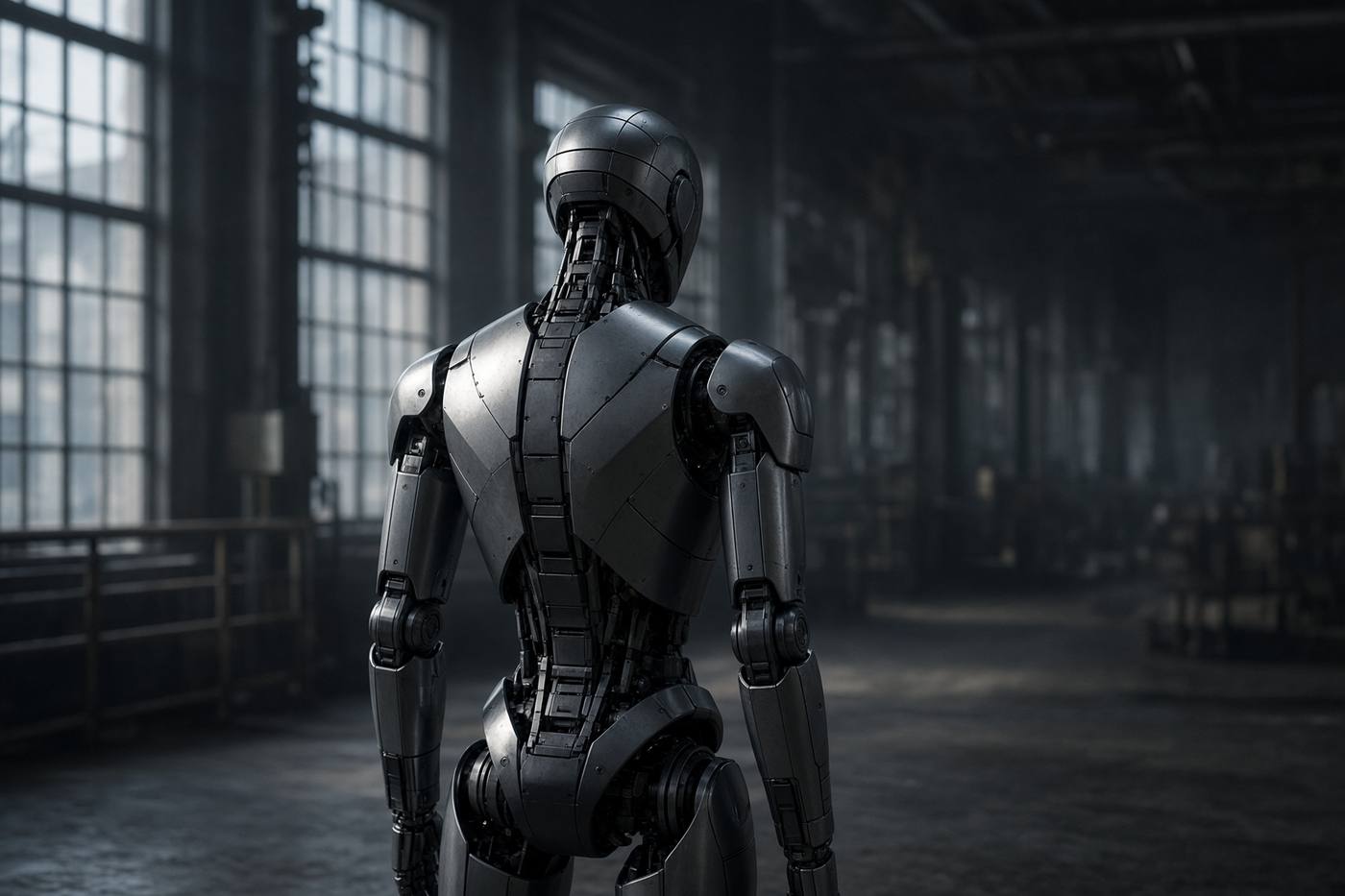
A humanoid is a bet that the world is already built for humans, so the robot should be too. The stack underneath that bet is not one product: actuators and gearboxes, battery and thermal, hands, onboard compute, foundation models, teleoperation for data, and a safety case that industrial regulators will actually accept.
The interesting split in 2026 is not 'who has a demo'. It is who is collecting real hours in a real workplace, who still depends on a puppeteer, and who has a path from supervised factory tasks to unsupervised ones without rewriting the safety case every quarter.
More research
Self-Driving Analysis
Comparative analysis of autonomous development cycles and SAE standards, and why the slideware levels keep getting used as a marketing language.
Open
Speed vs Safety Tool
Interactive explainer for how speed, reaction time, and road grip affect stopping distance, impact energy, and pedestrian injury risk.
Open
Tesla Ecosystem
Historical data tracking the financial evolution of Full Self-Driving technology: package price, subscription, and the Robotaxi story sitting on top of it.
Open